Salary vs Cost of Living: Can an English Teacher Live Comfortably in Moscow?
The Question Every Prospective Expat Asks (and the answer that’s so hard to get)
Here’s what happens when you Google “English teacher salary Moscow”: you find a bunch of
numbers that range from “you’ll be eating instant noodles in a sad bedroom far from the MKAD” to “you’ll be sipping champagne on a yacht with Oligarchs.” Neither is usually true and both are unhelpful.
So let me do what nobody on the internet seems willing to do: give you the real numbers, the real lifestyle, and the real answer to whether you can live comfortably in Moscow as an English
teacher — without the doom, without the hype, and with a few laughs along the way.
I moved to Moscow thinking I may have to survive on buckwheat and school canteen lunches. I stayed because I was actually ended up living better than I had back home. Let me explain.
Chapter 1: The Money — What You Actually Earn
Let’s talk numbers. Not vague ranges. Not “it depends.” Actual figures based on what the market
looks like right now.
Language schools and private tutoring — the bread and butter:
Most English teachers in Moscow work for language schools, tutor privately, or do a mix of both.
Here’s what that looks like:
Language schools pay between 1,500 and 3,000 rubles per academic hour (45 minutes) for native speakers or teachers with a TEFL/TESOL/CELTA. A full schedule (25–30 academic hours per week) brings in 110,000–180,000 rubles per month.
Private tutoring is where the money gets interesting. Once you build a client base (and
you will, fast, provided you are good at teaching and can entertain kids well), you can charge 2,500–5,000 rubles per hour directly. With 20 private students a week, you’re looking at 200,000–400,000 rubles per month. Not bad for an ESL teacher, right?
International schools are the top tier. If you have a teaching license and experience, schools like the British International School or the Anglo-American School of Moscow hire foreign teachers at 150,000–350,000 rubles per month, often with benefits: housing allowance, health insurance, flights home, and free tuition for your kids if you have them.
Corporate clients are a bonus stream. Companies pay top rates for business English, and if you land a contract with a bank, tech company, or oil giant, you can charge 3,000–6,000 rubles per hour for one-on-one executive coaching. Some teachers earn 300,000+ rubles just from corporate gigs.
Chapter 2: The Spending — Where Your Rubles Actually Go
Okay, you’re making money. But what does it cost to live in Moscow? Let’s break it down,
category by category, with real examples from someone who’s been there.
Rent — the big one:
Moscow rent varies wildly by neighborhood. Here’s the honest breakdown:
A studio or one-bedroom in a decent area (not city center, but not the edge of
civilization): 45,000–55,000 rubles per month. You’ll have a small kitchen, a
bathroom where you can turn around if you’re flexible, and a bed that folds into the wall
(okay, not always, but sometimes).
A nice one-bedroom closer to the center(Patriarshie Ponds, Chistye Prudy, Tverskaya
area): 60,000–100,000 rubles. Now we’re talking: real kitchen, real
bedroom, maybe even a balcony.
Sharing an apartment (common among young expats): 25,000–40,000 rubles for a room in a shared flat. Great way to save money and meet people.
The honest tip: Most expats spend about 30–40% of their income on rent. If you earn 150,000
rubles and pay 40,000 for a studio, you’re fine. If you earn 120,000 and pay 70,000 for a trendy
apartment near Red Square… well, enjoy the view, because you won’t be going out much.
Food — where it gets fun:
This is where Moscow surprised me the most. Groceries are cheap. Not “cheap by Western
standards” cheap. Actually cheap.
A liter of milk: 70–90 rubles
A loaf of fresh bread: 40–60 rubles
A dozen eggs: 90–130 rubles
Chicken breast (1 kg): 300–400 rubles
Potatoes (1 kg): 30–50 rubles
Apples (1 kg): 80–120 rubles
Russian vodka (0.5 L): 300–500 rubles — because priorities matter
A weekly grocery run for one person who cooks at home: 3,000–4,500 rubles. A
month of home-cooked meals: 12,000–18,000 rubles. We have a page dedicated to grocery shopping in Moscow that you can check out here.

Eating out:
Stolovaya (canteen-style, and yes, they’re still amazing): 300–500 rubles (for a full meal — soup, main, salad, drink. These places are everywhere, the food is legit, and you’ll feel like you’ve discovered a secret. Check out our affordable lunch place article to save a bunch on your lunches.
Mid-range restaurant: 800–1,500 rubles for a meal with a drink.
Fancy dinner: 2,500–5,000 rubles ) per person. Moscow’s restaurant scene is genuinely world-class — Georgian food, Uzbek cuisine, modern Russian, sushi that rivals Tokyo (yes, really), and craft cocktails that would make a Brooklyn mixologist envious. Shawarma (kebab) on the street: 200–250 rubles.

Transportation — absurdly affordable:
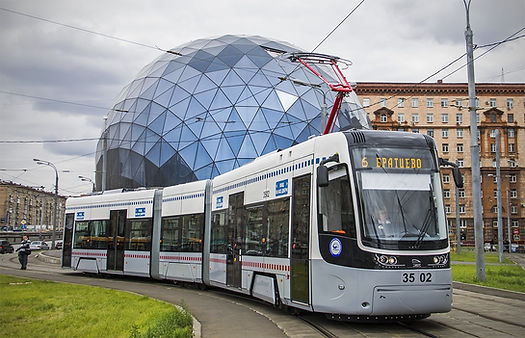
Metro single ride: 62 rubles — and you can transfer across the entire network for that price. That’s not a typo. Seventy cents to cross one of the biggest cities on Earth.
Monthly metro pass: 3,460 rubles. Unlimited rides. The metro is fast, clean, runs every 90 seconds during rush hour, and some stations look like museums. You’ll actually want to take the long way home.
Yandex Go (ride-hailing): Short rides across town: 500–700 rubles.
Longer rides: 1000–1500 rubles. Surge pricing exists but is milder than Uber in Western cities. Commuter trains (elektrichka): Cheap, fast, and the fastest way to get to suburbs and nearby towns.
Total transportation for a month if you use metro + occasional taxi: 5,000–7,000 rubles. You’ll spend more on coffee! Have a look at getting around Moscow for more information about public transportation.
Utilities and internet:
Electricity, water, heating (all included in one bill): 3,000–6,000 rubles per
month for a one-bedroom, depending on season.
Internet (home Wi-Fi, unlimited, fast): 500–800 rubles per month. Yes,
you read that right. Moscow internet is blazing fast and ridiculously cheap.
Mobile phone (unlimited data, calls, texts): 500–800 rubles per month.
Entertainment and lifestyle:
Gym membership: 1,500–3,500 rubles per month and its usually paid per month so you are not locked into a long term contract!
Cinema ticket: 500–800 rubles.
Museum entry: 300–700 rubles. Many museums have free days once a month.
Coffee at a nice café: 250–400 rubles .
Beer at a bar: 300–800 rubles (it really depends on where you go).
Cocktail at a rooftop bar: 500–1000 rubles.
Chapter 3: The Monthly Budget — What It Actually Looks Like
Let’s put it all together. Here are two scenarios: one for a teacher just starting out, and one for
someone who’s been around for a year.
Scenario A: The New Teacher (Months 1–6)
| Category | Monthly Cost (rubles) |
| Rent (studio, decent area) | 40,000 |
| Groceries | 15,000 |
| Eating out (3–4 times) | 6,000 |
| Transport | 5,000 |
| Utilities + internet +phone | 6,000 |
| Entertainment | 5,000 |
| Misc. (clothes, health, etc.) | 5,000 |
Total 82,000
Income at this stage: 110,000–130,000 rubles.
Leftover: 28,000–48,000 rubles per month. That’s savings, travel money, or the “I deserve a nice dinner” fund.
Scenario B: The Established Teacher (Months 12+)
| Category | Monthly Cost (rubles) |
| Rent (nice one bedroom near center) | 70,000 |
| Groceries | 20,000 |
| Eating out (weekly, nice places) | 15,000 |
| Transport (more frequent taxis) | 8,000 |
| Utilities + internet +phone | 6,000 |
| Entertainment (gym, bars, events) | 12,000 |
| Misc. (clothes, health, etc.) | 10,000 |
Total 141,000
Income at this stage: 200,000–300,000 rubles.
Leftover: 59,000–159,000 rubles per month. You’re not just surviving — you’re saving, traveling on weekends, and living a lifestyle that would cost double in London or New York.
Chapter 4: The Things You Can’t Put a Price On
Here’s what the numbers don’t capture. The stuff that makes Moscow not just affordable, but
worth it.

The Moscow Metro is a daily miracle. I’m not exaggerating. Trains arrive every 60-90 seconds. The
stations are architectural masterpieces — marble columns, mosaics, chandeliers. And it costs 70
cents. You’ll never wait more than two minutes. Ever. Compare that to the London Underground
(where you pay £6 for the privilege of standing in a tunnel that smells like regret).
Healthcare is accessible and private clinics are affordable too: a general doctor visit costs
2,000–4,000 rubles, and many expats use private care for convenience.
The city is safe. And this is huge for me: Moscow is one of the safest big cities I’ve lived in. I’ve walked home at 3 AM through central neighborhoods without a second thought. Violent crime against foreigners is extremely rare. Street harassment is uncommon. The biggest risk to your safety is slipping on ice in January (more on that in a moment).
The social life is incredible. Moscow has a thriving expat community, but the real magic
happens when you break out of the bubble and make Russian friends. Russians are reserved at
first — but once they warm up, they’re the most loyal, generous, genuine people you’ll ever meet.
You’ll be invited to dachas (country houses), fed until you can’t move, and introduced to people like you’re family. It’s a kind of warmth you don’t find in many places.
The seasons are extreme — and that’s a feature, not a bug. Winter in Moscow is an experience.
Yes, it’s cold. Yes, it’s dark by 5 PM. But there’s something magical about the first snow, the
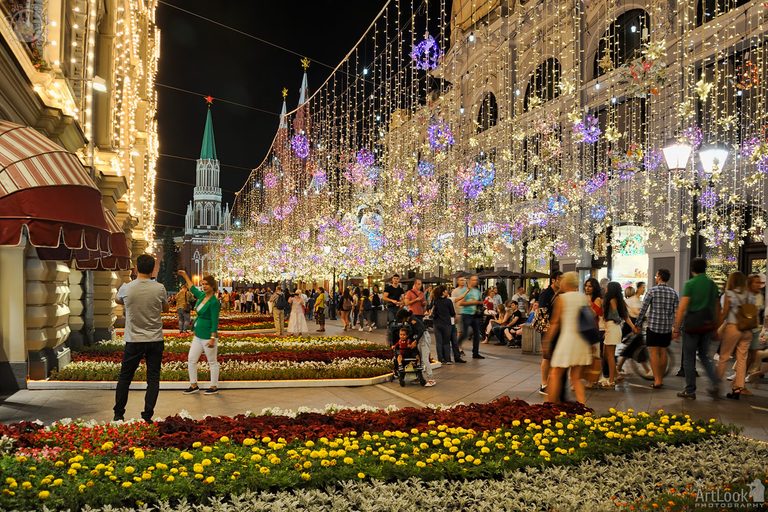
frozen rivers, the city lit up at night, the ice skating rinks that appear in every park. And then
spring arrives, and the entire city bursts into bloom, and the café terraces open, and Muscovites
walk around with an energy that says “we survived, and now we’re going to celebrate.”
You’ll learn to love the rhythm. The cozy winter nights. The wild spring awakenings. The
legendary white nights of summer in Saint Petersburg when it’s still light at midnight and nobody wants to go home.
Chapter 5: The Honest Downsides
I’m not going to pretend it’s all shawarma and rooftop bars. Here’s what’s genuinely hard:
The language barrier is real. Outside of central Moscow and younger people, English is limited.
You’ll need to learn basic Russian — not just for comfort, but for dignity. The good news: you’re
an English teacher, so you understand how language learning works. Apply that to yourself.
Spend 30 minutes a day on Duolingo, get a tutor, watch Russian shows with subtitles. In three
months, you’ll order food, ask directions, and handle a taxi ride without panic.
Bureaucracy exists and it’s not your friend. Getting a work permit, registering in your apartment,
opening a bank account — each one is an adventure in patience. Everything involves paperwork,
stamps, and at least one office visit where you wait in a line that seems to move backward. But
here’s the thing: every foreigner goes through it, every foreigner survives it, and once it’s done,
you’re set. Think of it as an initiation ritual.
January is brutal. The cold is real. -20°C is not a joke. You’ll need serious winter gear (budget
10,000–20,000 rubles for a coat and boots — and yes, it’s worth every ruble). But here’s the
secret: Muscovites don’t hibernate. They dress properly, they carry on, and the city keeps
running. The metro is heated. The cafés are cozy. The museums are warm and empty. And vodka
exists for a reason (medicinal purposes only, obviously).
Housing searches can be frustrating. Some landlords won’t rent to foreigners (it’s illegal to
discriminate, but it happens). Some listings say “cozy” and mean “the size of a parking space.”
The solution: use a reputable agent, be upfront about your situation, and don’t sign anything until you’ve seen it in person. Budget for a one-time agent fee of 50–100% of one month’s rent.
Chapter 6: The Verdict — Can You Live Comfortably?
Let me answer the question in the title with zero hedging:
Yes. Emphatically, unreservedly yes.
If you earn 110,000 rubles per month, you can cover all your basic needs and still have
money left over. You won’t live like royalty, but you won’t struggle either. You’ll eat well, get
around easily, and have a social life.
If you earn 200,000+ rubles, which is very achievable within your first year, you’ll live better than most teachers in London, New York, or Toronto. You’ll have a nice apartment, eat at
great restaurants, travel on weekends, and save money.
The math is simple. Moscow pays well, costs less than you think, and gives you experiences
no spreadsheet can quantify.
The Real Reason You Should Come
Here’s what I tell every friend who’s thinking about it: Moscow is the most underrated city in the
world for an English teacher. The demand is huge. The pay is competitive. The cost of living is lower than almost any major Western city. The lifestyle is vibrant, surprising, and deeply rewarding. And the people — once you get past the “no smiling at strangers” thing — are some of the warmest, most genuine humans you’ll ever meet.
You’ll arrive thinking you’re going to teach English. You’ll leave having learned more than you
taught.
Moscow isn’t waiting for you with open arms and a welcome banner. It’s waiting with a 70-cent
metro ticket, a 2-dollar shawarma, a classroom full of students who actually want to learn, and a
city that will challenge you, surprise you, and — if you let it — change the way you see the world.
Pack your bags. Learn to say “спасибо.” And come find out for yourself!