
COST OF LIVING IN MOSCOW 2026: AN EXPAT’S HONEST GUIDE
Moscow has a reputation for being expensive — and in some respects, it is. Luxury apartments, high-end restaurants, and Western imported goods can rival prices in London or Toronto. But that is only one side of the story. For expats willing to live like locals, shop at Russian supermarkets, and use public transport, Moscow is surprisingly affordable. ESL teachers on a modest salary can live comfortably here — and if your employer covers housing and transport, your disposable income will stretch further than you might expect back home.
This guide breaks down realistic monthly costs across the categories that matter most to incoming expats.
Housing
Rent is the biggest variable in your Moscow budget. A one-bedroom apartment in a central district within the Garden Ring will run 60,000–100,000 RUB per month. Move to a residential area outside the centre — which is perfectly livable given Moscow’s exceptional metro system — and the same apartment costs 40,000–60,000 RUB per month.
Many language schools and kindergartens offer accommodation assistance or a housing allowance as part of the employment package. If your employer covers rent, this single benefit transforms your financial situation entirely. Always negotiate this before signing a contract.
Food & Groceries
Supermarkets
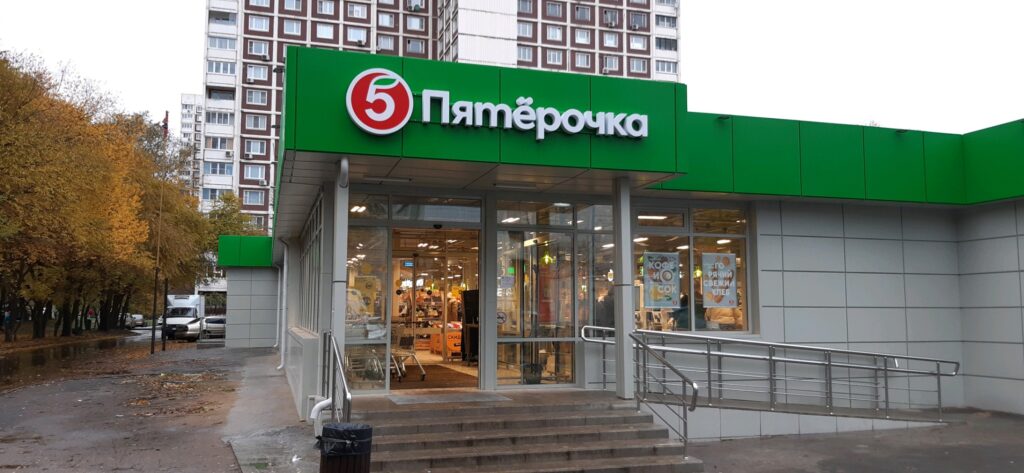
Moscow’s most budget-friendly supermarket chain is Pyaterochka (Пятёрочка), with locations seemingly on every street corner across the city. It is where most Muscovites do their daily shopping — fresh produce, dairy, meat, bread, and household basics at genuinely low prices. A full weekly shop for one person typically costs 5,000–7,000 RUB.
Other affordable options include Magnit and Monetka. For a step up in quality and variety, Perekrestok and Vkusvill are popular mid-range choices — Vkusvill in particular is excellent for health-conscious shoppers and organic produce. Auchan hypermarkets on the city outskirts offer the best bulk prices if you are stocking up.
Western supermarkets and imported goods are available but noticeably more expensive — budget accordingly if certain products from home are non-negotiable.
Eating Out
Moscow’s cafe and canteen culture is one of its great affordable pleasures. A typical working lunch at a stolovaya (Russian canteen) or popular chain runs 400–600 RUB. Grably is a favourite among expat teachers — fresh salads, grain bowls, and wraps at around 500 RUB for a business lunch. Cafe Mumu serves hearty Russian classics like borscht and beef stroganoff for around 400 RUB per dish. Kroshka Kartoshka, the beloved baked potato chain found in malls across the city, will feed you for around 300 RUB.
A sit-down dinner at a mid-range restaurant costs 1,500–3,000 RUB per person including drinks. Fine dining is available at international prices if that is your thing, but it is entirely possible to eat well every day in Moscow without spending much at all.
Realistic monthly food budget (groceries plus eating out several times a week): 20,000–40,000 RUB
Transport
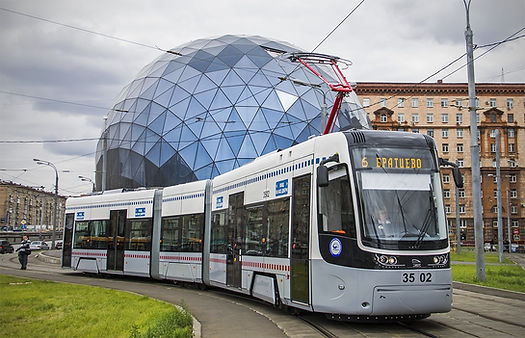
Moscow’s metro is one of the great public transport systems in the world — fast, clean, reliable, and extraordinarily cheap. A single metro ride costs 80 RUB, and a monthly unlimited travel card runs approximately 3,600 RUB, covering metro, bus, tram, and suburban rail. Most expats get around Moscow entirely on public transport and never feel the need for a car or taxi.
Ride-sharing apps (Yandex Go is the dominant platform) are inexpensive by Western standards — a typical cross-city ride costs 700–1,500 RUB. Many teachers whose schools are metro-accessible spend very little on transport beyond their monthly card.
If your employer provides a transport allowance or the school is located near your accommodation, this cost can effectively drop to zero.
Monthly transport budget: 3,000–6,000 RUB
Gym & Fitness
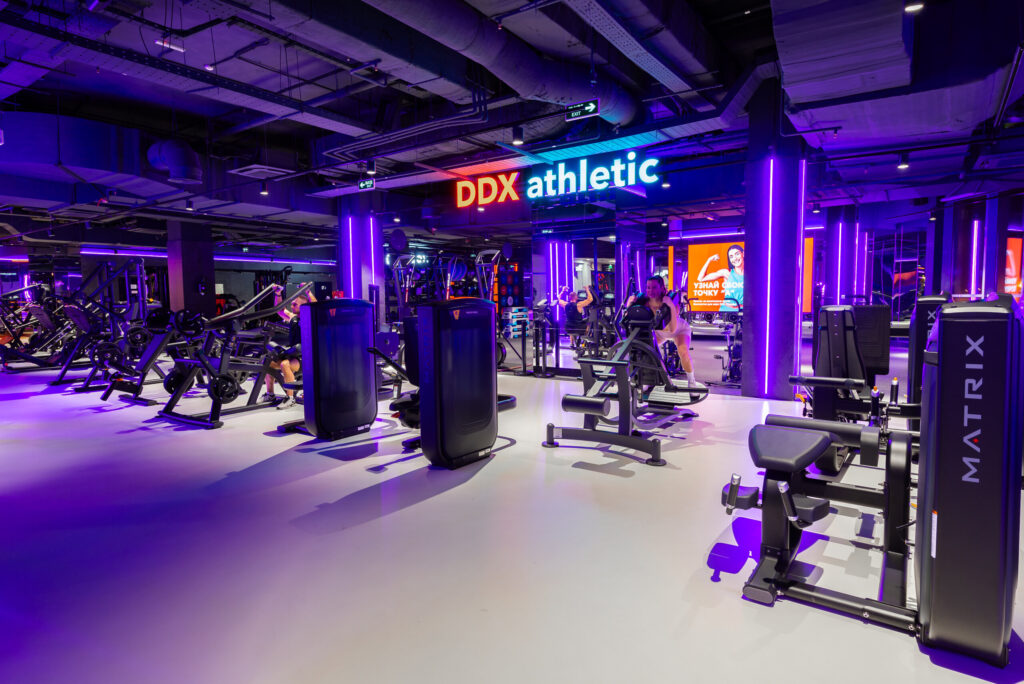
Gym memberships in Moscow range considerably. Budget chains like DDX Fitness and X-Fit offer monthly memberships from around 2,500–4,000 RUB. Mid-range gyms with better equipment and classes run 4,000–7,000 RUB per month. Premium clubs such as World Class and Crocus Fitness cost 8,000–15,000 RUB per month but offer excellent facilities including pools, saunas, and group classes.
Many residential areas also have free outdoor fitness areas and public parks with exercise equipment — a genuinely good option during the warmer months.
Monthly gym budget: 2,500–7,000 RUB depending on your standards
Medical
State healthcare in Russia is technically free but not recommended for expats due to language barriers and variable quality. Private clinics are the standard choice and are considerably cheaper than equivalent care in North America or Western Europe.
A standard GP consultation at a reputable private clinic costs 2,000–4,000 RUB. Specialist appointments run 3,000–6,000 RUB. Many employers include private health insurance in the benefits package — if yours does, routine medical costs become minimal. If not, expat health insurance is worth arranging before arrival.
Dentistry is notably affordable — a check-up and clean runs 2,000–3,500 RUB at a decent private clinic, and more complex work costs a fraction of what you would pay in the West.
Entertainment & Nightlife
Moscow punches well above its weight as an entertainment city. Cinema tickets cost 500–1,000 RUB. Theatre and ballet performances at mid-tier venues start from 1,000–2,000 RUB — world-class culture at genuinely accessible prices. The Bolshoi Theatre is an exception and requires advance booking, but even there, upper-tier seats start around 3,000 RUB.
Bars and nightlife vary enormously. A beer at a local bar costs 300–500 RUB. Cocktails at a decent bar run 600–900 RUB. Moscow has a vibrant nightlife scene — from neighbourhood dive bars to internationally renowned clubs — and you can calibrate your spending at any level.
Monthly entertainment budget: 5,000–15,000 RUB depending on lifestyle
Monthly Budget Summary
| Category | Budget Range (RUB/month) |
|---|---|
| Housing (without employer support) | 40,000–100,000 |
| Food & Groceries | 20,000–40,000 |
| Transport | 3,000–6,000 |
| Gym | 2,500–7,000 |
| Medical (without insurance) | 1,000–3,000 |
| Entertainment | 5,000–15,000 |
| Total (excl. housing) | 31,500–71,000 |
An ESL teacher earning 80,000–100,000 RUB per month with employer-provided housing and transport can live comfortably in Moscow. Teachers with full salary packages at the higher end — 150,000–300,000 RUB per month — can save significantly while enjoying everything the city has to offer.
The key insight is that Moscow rewards those who engage with local life. Shop at Pyaterochka, ride the metro, eat lunch at a stolovaya, and your monthly expenses outside of rent are genuinely modest by any Western standard.